Do You Really Need 10,000 Steps a Day?
You don't have to chase a perfect number to make walking count. Discover what research says about daily steps and how to build a realistic routine.

You check your phone at the end of a long day. Your step counter reads 4,382. The ring is incomplete. Your goal is 10,000.
On this page
- Why 10,000 steps shouldn't decide whether your day was a success
- What the science actually says about daily steps
- Your pace matters, but consistency matters too
- How to begin when your current step count is low
- Three practical ways to walk more without reorganizing your entire life
- What should your personal step goal be?
And somehow, despite everything you did today, it feels like you failed.
But here's a more useful question: What if the most important number isn't 10,000 — but how much you're moving compared with yesterday?
Walking is one of the simplest ways to introduce more movement into everyday life. It doesn't demand a gym membership, complicated equipment, or an athletic identity. And research suggests that meaningful health benefits can be associated with far fewer steps than the number your phone keeps reminding you to reach.
Why 10,000 steps shouldn't decide whether your day was a success
There's nothing inherently wrong with walking 10,000 steps. For many people, it's an achievable and motivating daily goal.
The problem begins when we treat that number as a pass-or-fail test.
A day with 6,000 steps isn't automatically a wasted day. A person who begins walking after years of inactivity may be making meaningful progress with considerably less.
The better approach is to treat step counts as information rather than judgment. They can help you understand your habits, notice changes, and establish a realistic starting point.
What the science actually says about daily steps
A 2025 systematic review and meta-analysis published in The Lancet Public Health examined evidence from 57 studies covering multiple health outcomes.
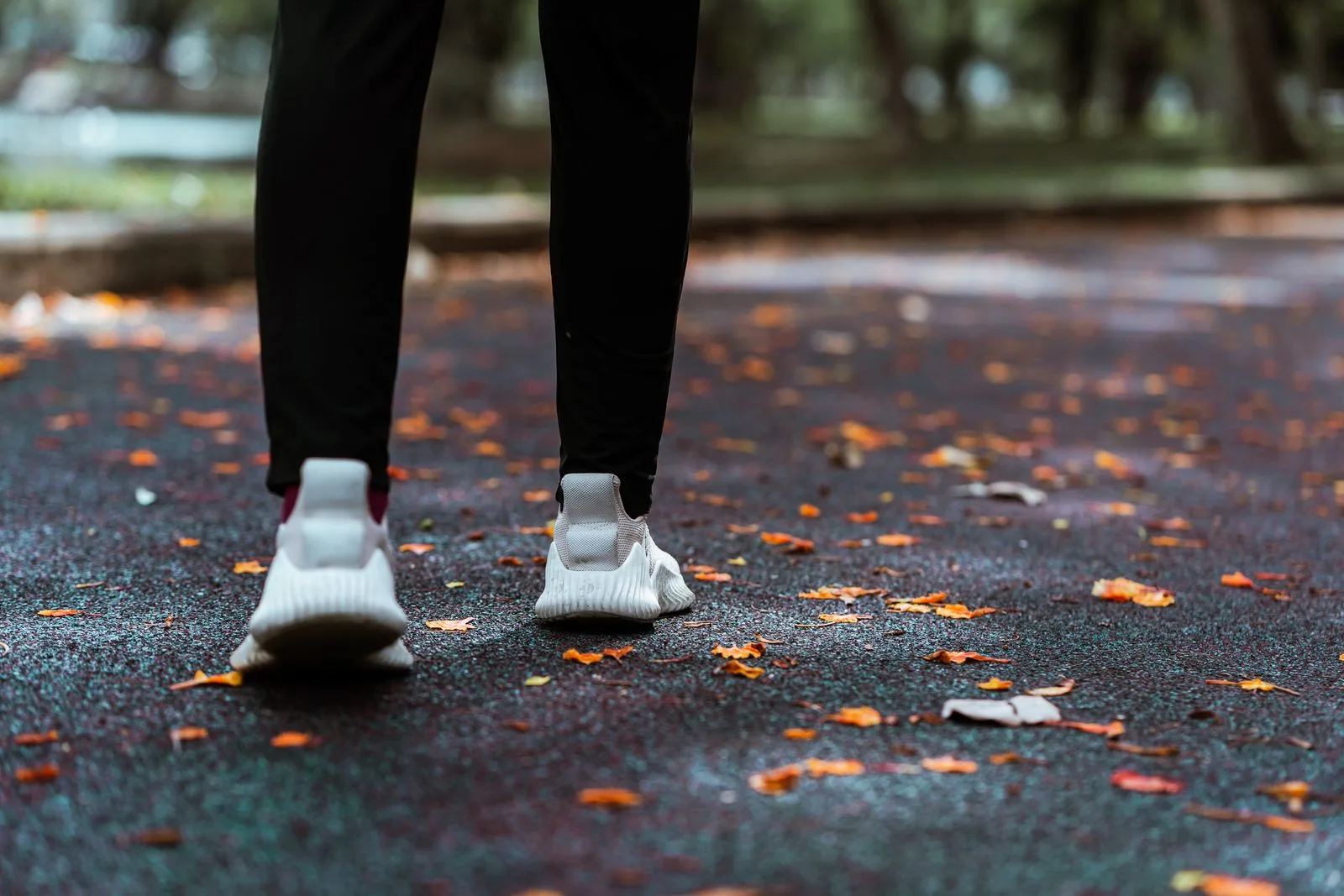
The researchers found that approximately 7,000 daily steps were associated with meaningful benefits compared with around 2,000 steps. In pooled analyses, 7,000 steps were associated with a 47% lower relative risk of death from any cause.
That number deserves careful interpretation.
These findings describe associations across observational studies. They don't prove that walking exactly 7,000 steps causes a particular reduction in an individual's risk. People who walk more may also differ in other important ways, including their underlying health and lifestyle.
Still, the broader message is encouraging: health benefits don't suddenly begin when your step counter reaches five digits.
Your pace matters, but consistency matters too
Not all walking feels the same.
A relaxed stroll around your neighborhood may be a pleasant way to add movement. A brisk walk, where your breathing becomes faster but you can still talk, may contribute to moderate-intensity aerobic activity.
The Centers for Disease Control and Prevention recommends at least 150 minutes of moderate-intensity activity each week for adults, alongside muscle-strengthening activity on at least two days.
That recommendation measures time and intensity rather than a universal daily step total.
It also means you can build an active life in more than one way. Walking the dog, taking a purposeful walk during lunch, or spending time outdoors may all contribute.
And if you cannot walk comfortably, other forms of movement can still matter. The goal is not to force everyone into the same routine.
How to begin when your current step count is low
Instead of setting an ambitious target tonight and abandoning it next week, begin with what your actual life allows.
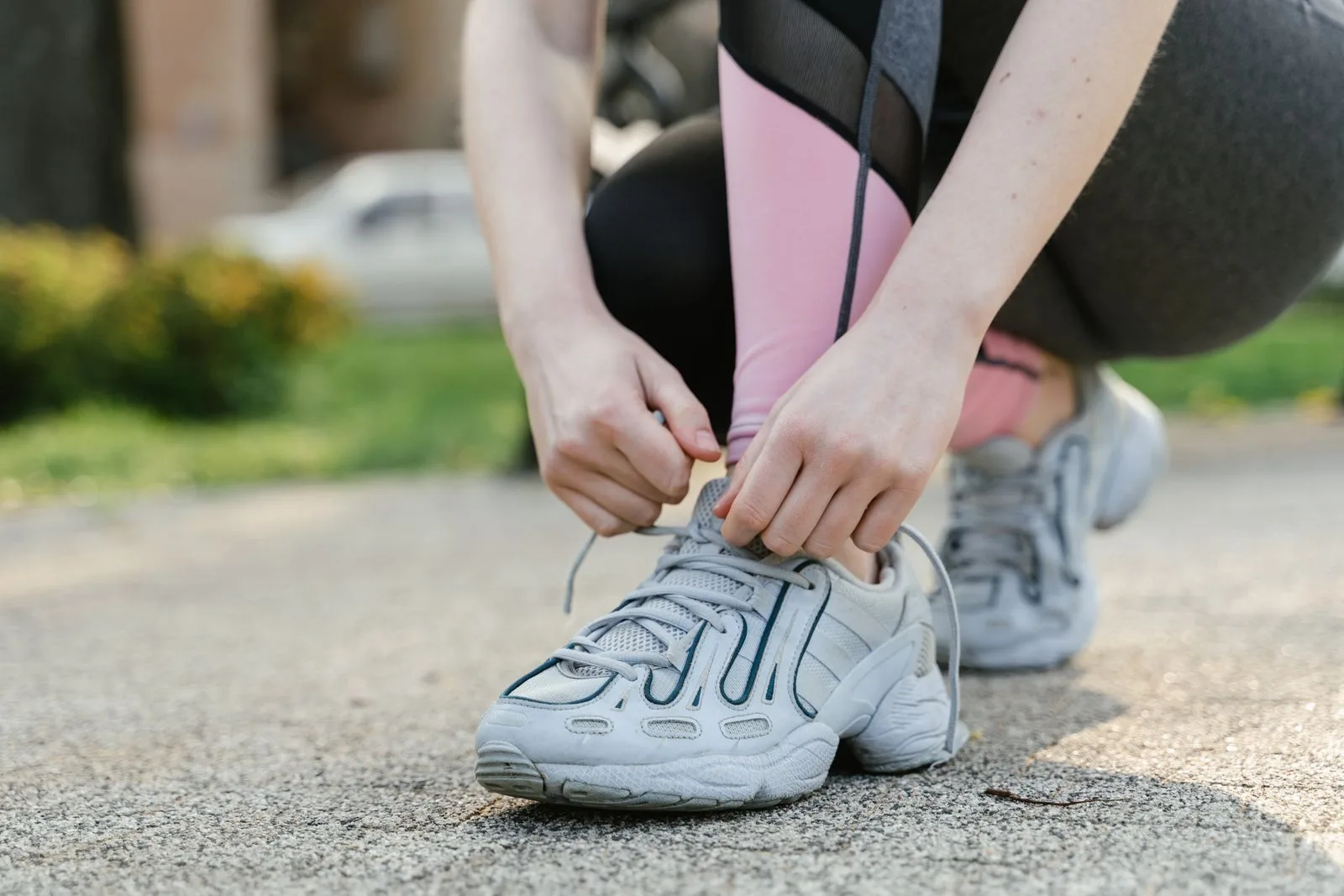
First, observe your normal routine. For several days, note how much you typically walk without deliberately changing anything. Your starting point matters more than someone else's average.
Next, choose one repeatable opportunity. That might be a short walk after breakfast, a few extra minutes before work, or an evening loop around your block.
Then, increase gradually. If a modest increase feels comfortable, build on it over time. A little more movement is a useful direction; it doesn't need to become a competition.
Finally, make room for imperfect days. Weather, fatigue, family responsibilities, and work can interrupt a plan. One missed walk doesn't erase your previous progress.
If you have significant mobility limitations, cardiovascular symptoms, or a medical condition that affects exercise safety, seek individualized guidance before making major increases in activity.
Three practical ways to walk more without reorganizing your entire life
Make the first few minutes easy. Keep comfortable shoes accessible. Choose a familiar route. Remove the small obstacles that make getting started feel complicated.
Attach walking to something you already do. A short walk after a regular daily activity may be easier to remember than an entirely new appointment on your calendar.
Choose enjoyment over punishment. An interesting podcast, a peaceful park, or a conversation with someone you enjoy can make movement something to look forward to.
None of these suggestions guarantees a particular health outcome. Their value lies in making an active routine more practical to maintain.
What should your personal step goal be?
The answer depends on where you're starting, your health, your mobility, and what feels realistic.
If you're currently walking very little, adding manageable activity can be worthwhile. If you're already active, higher step counts may suit your goals. And if tracking numbers makes walking less enjoyable, you can focus on time, comfort, or consistency instead.
Your step counter is a tool. It isn't a verdict on your health or your effort.
The most useful goal is one that encourages you to move regularly — and that you can continue building on.
You don't need to complete a perfect ring to make today count.
Your next small step
Fibermaxxing: How Much Fiber Do You Really Need?
Fibermaxxing is everywhere, but more fiber isn't always better. Learn realistic daily targets, the best food sources, and how to increase intake without digestive discomfort.
Continue reading